Dr Michael Zacharia is a Fellow of the Royal Australasian College of Surgeons, Head and Neck (Otolaryngology) and practices in Facial Plastic Surgery. He is also an Ear, Nose and Throat (ENT) physician. Combining the latest medical, surgical and health techniques, Dr Zacharia strives to deliver the best outcome for each and every one of his patients.
Dr Zacharia has completed OVER 4,500 rhinoplasty procedures throughout his career and many other advanced surgeries. He is one of the few Australian surgeons that have completed advanced surgical training on Deep Plane Facelifting and Neck Lifting in New York City.
Dr Zacharia graduated with a Bachelor of Medicine and Surgery (MBBS) at the University of Adelaide in 1987, subsequently completing advanced training in Ear, Nose and Throat (ENT) surgery. He received his fellowship with the Royal Australasian College of Surgeons (FRACS) in 1996, specialising in Otolaryngology head and neck surgery (AAFPRS).
Dr Zacharia graduated as a Specialist Physician, qualified to perform ENT and head and neck surgery.
Following his graduation in 1996, Dr Zacharia held the position of Locum Clinical Lecturer in Otolaryngology, for the Medical Science Division at Oxford University.
In 1997 he completed a six-month fellowship with famed Beverly Hills Plastic Surgery specialist, Dr Harry Glassman, consolidating his knowledge in all aspects of cosmetic surgery.
Dr Zacharia was formerly the President of the Australasian College of Cosmetic Surgery (ACCS), as well as a member of the Australasian Academy of Facial Plastic Surgery (AAFPS), the American Academy of Facial Plastic and Reconstructive Surgery (AAFPRS) and the Australasian Society of Otolaryngology Head and Neck Surgery (ASOHNS). Dr Zacharia also presents at international conferences and seminars and is involved in a number of industry training initiatives.
Rhinoplasty is a surgical procedure performed to alter the shape or structure of the nose. It can be considered for individuals whose nasal growth is complete – typically from around 18 years of age for men and 16 years for women.
This procedure may be undertaken for a range of reasons. Some people seek rhinoplasty to address changes in nasal appearance, such as asymmetry or irregular shape. It may also be performed to help correct structural concerns that affect breathing or contribute to sinus issues. The approach taken is tailored to each person’s anatomy and suitability is assessed during a consultation with a qualified surgeon.
Before rhinoplasty, a consultation is conducted to review the person’s goals, medical history, and nasal structure, and to determine whether the procedure is appropriate for them.
Rhinoplasty is typically performed under general anaesthesia. The surgical approach and incision technique are selected based on the individual’s anatomy and the changes being considered, and these are discussed during the consultation. Depending on the surgical plan, cartilage or bone may be altered, and the skin is then repositioned before the incisions are closed. The procedure generally takes between two and three hours.
Following rhinoplasty, there is a period of recovery while the nose heals. Swelling and bruising around the nose and eyes are common in the initial phase, and the area may feel tender. A splint is often applied over the nose for support, typically worn for about 7–10 days.
Many people arrange one to two weeks away from work to allow initial swelling, bruising, and discomfort to lessen. Strenuous activities, including exercise, are generally avoided for several weeks. Recovery timelines can vary, and post-operative guidance is provided by the treating surgeon based on individual progress.
The outcome of rhinoplasty can take time to become apparent, as the nose continues to heal and settle over several months. In many cases, changes may continue for up to a year. Incisions are placed in locations chosen to minimise their visibility where possible, and this is discussed as part of the surgical planning.
Rhinoplasty is a procedure that can restructure the nose.
With over 25 years of experience in cosmetic surgery and as an ENT specialist, Dr Zacharia has completed thousands of rhinoplasty surgeries.
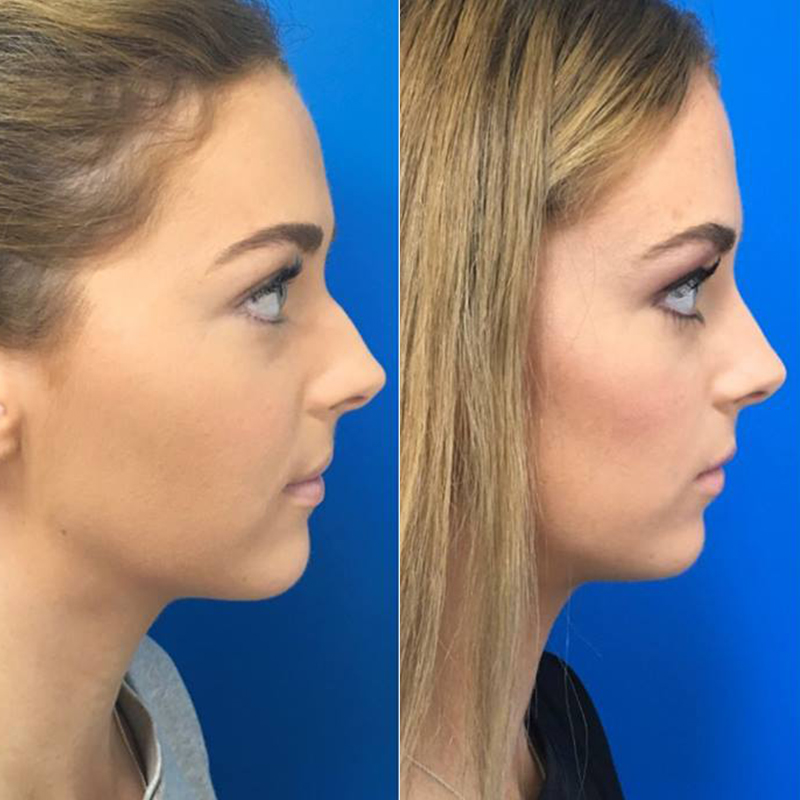
Rhinoplasty is a surgical procedure that changes the structure of the nose. It may be performed to address specific features such as a prominent nasal hump, variations in the nasal tip, or deviations in alignment. The surgery can involve altering bone and cartilage, which may include removing or reshaping these structures.
In some cases, rhinoplasty may also be undertaken to address structural issues that contribute to breathing or sinus concerns. The procedure is carried out under general anaesthesia, and a recovery period is required. The surgical approach is planned according to each individual’s anatomy and needs, and these considerations are discussed during consultation.
Dr Zacharia is a specialist in head and neck surgery and has over 25 years of medical experience.
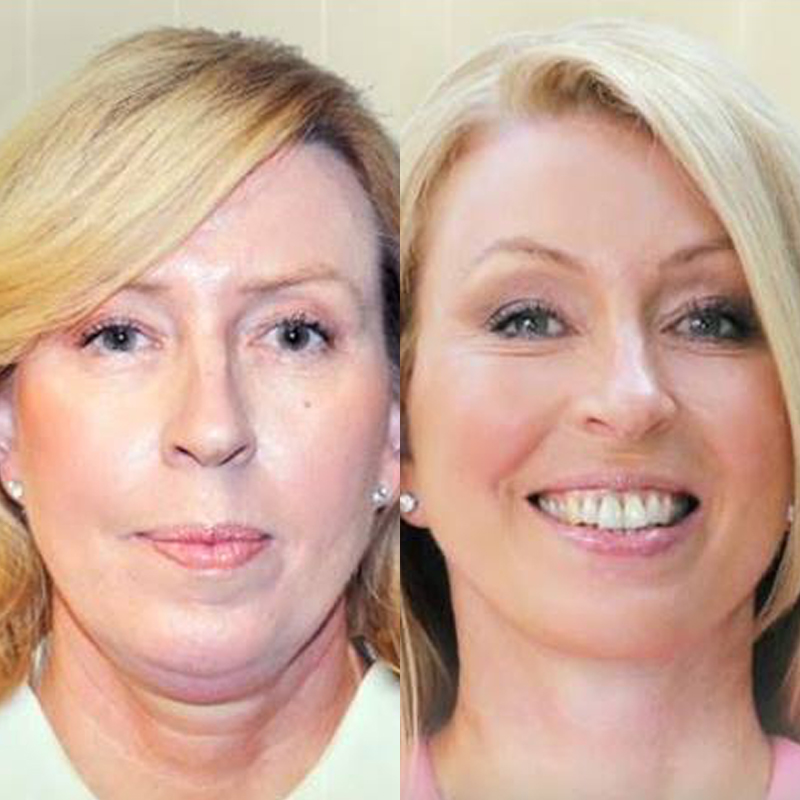
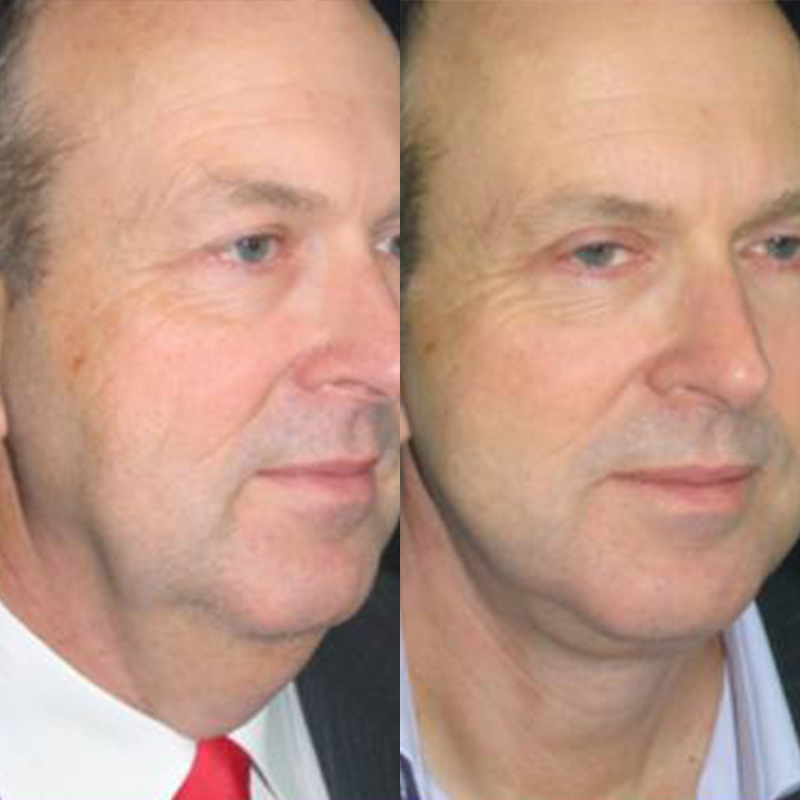
Facelift surgery, also known as rhytidectomy, is a procedure that alters the structure of the face by repositioning underlying tissues and removing or redistributing skin. It may be considered to address features such as pronounced skin folds or changes in skin position around the cheeks, jawline, and neck.
The procedure involves making incisions in planned locations to access deeper facial structures. It is performed under general anaesthesia, and an overnight hospital stay is commonly required. A recovery period is necessary, and timelines can vary between individuals. The surgical approach is determined in consultation based on each person’s anatomy and goals.
Facelift surgery may be considered for individuals in good general health who wish to change certain facial features. This can include addressing pronounced skin folds, changes in skin position, or lines on the face. Suitability is determined through a consultation, where overall health, facial structure, and potential surgical outcomes are discussed.
Before undergoing facelift surgery, a consultation is conducted to discuss the procedure, outline potential risks, and explain aftercare requirements.
Facelift surgery is performed under general anaesthesia. Incision sites are planned and marked in advance, often placed behind the hairline or along natural skin folds. During the procedure, the skin is lifted, underlying tissues may be adjusted, and excess skin is removed as required by the surgical plan. Incisions are then closed, and an overnight hospital stay is commonly recommended.
Facelift surgery involves a period of recovery while the face heals. Swelling, bruising, and tenderness are common during the early stages and may take several weeks to settle. Pain relief can be used if required, and aftercare instructions are provided by the treating surgeon.
Many people arrange around two weeks away from work to allow for initial recovery. Strenuous activity, including exercise, is generally avoided for several weeks and then reintroduced gradually. Sun protection is important during the healing phase to protect the skin, particularly in the first few weeks. Recovery experiences and timelines can vary between individuals, and follow-up appointments are used to monitor progress.
The outcome of a facelift develops over time, as swelling reduces and the face settles. It can take several months before the final result is apparent, and changes are typically gradual.
Scarring is an expected part of any surgical procedure. Incisions are generally placed in locations intended to reduce their visibility, such as along the hairline or within natural skin folds. The appearance of scars usually changes over time as part of the natural healing process, but this can vary between individuals.
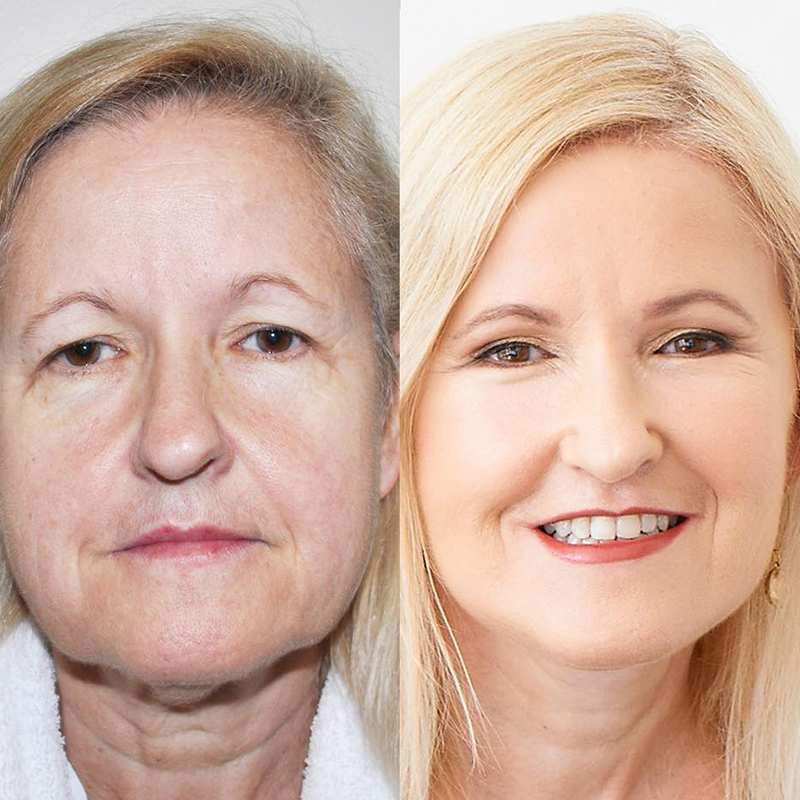
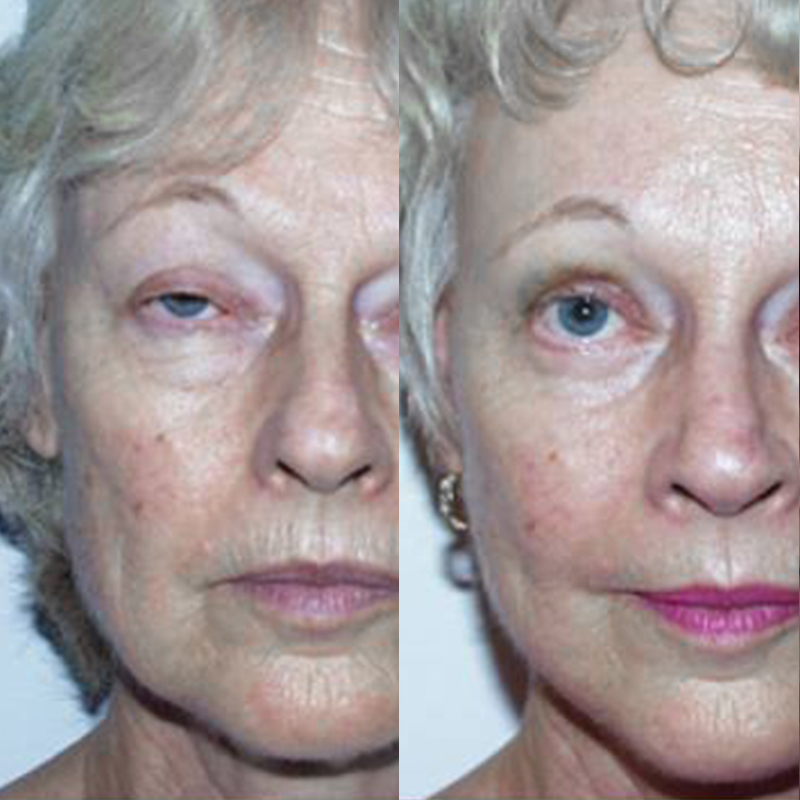
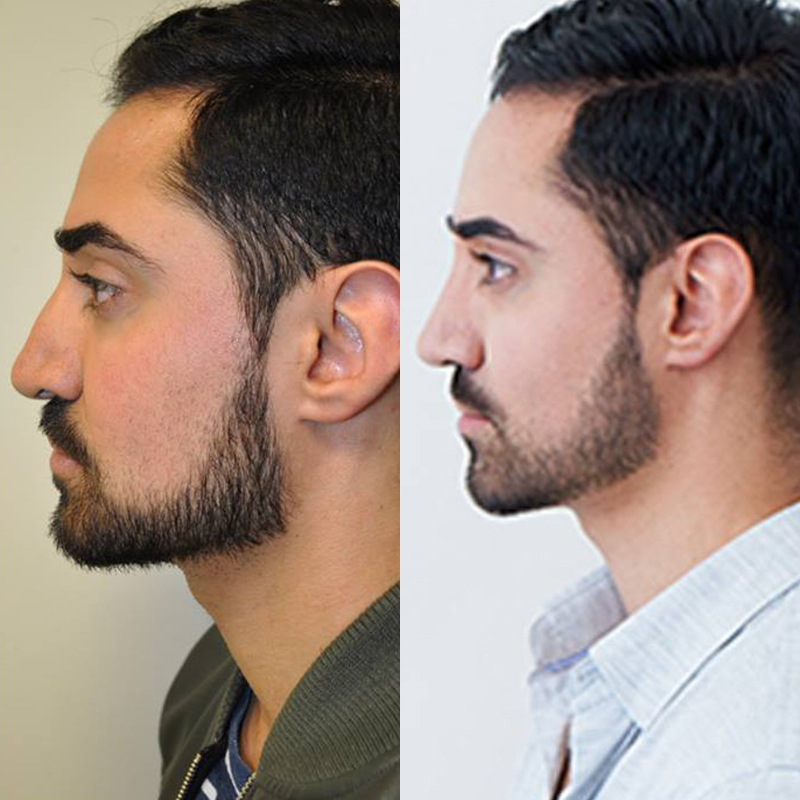
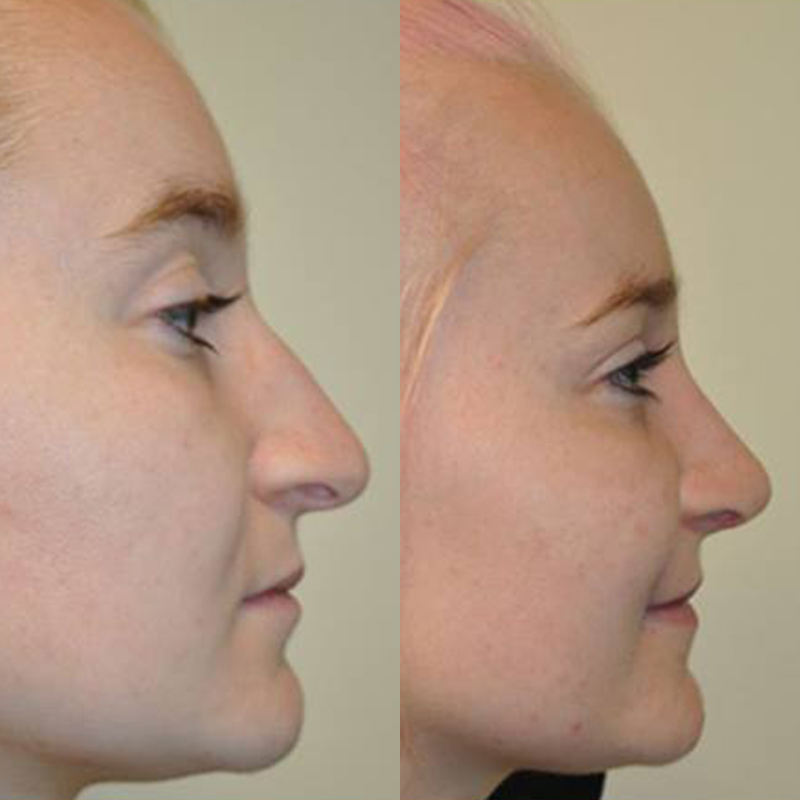
Disclaimer: Photographs shown above are actual patients from our clinic, who have given their consent for the use of their images purely for informational purposes. It is important to note that the results observed are subjective, and will differ based on each individual’s unique characteristics and the specific surgical or non-surgical techniques implemented. As with all procedures, both surgical and non-surgical, there are inherent risks involved.
Despite our efforts to maintain standardisation in our before and after photos, certain inconsistencies, such as differences in lighting, posture, facial expression, hairstyle, and make-up, may still exist between images. For a more comprehensive understanding of potential results, additional surgical result photographs can be viewed during a private consultation at our clinic located in Double Bay, NSW.
Additionally, we wish to emphasise that individual outcomes can greatly differ. The results experienced by one person should not be viewed as an exact indication of the results that others may experience. Such variations are due to a multitude of factors, including an individual’s genetics, diet, and exercise regimen.
All photos are watermarked and hold the copyright of Dr Zacharia. Any unauthorised usage or distribution is strictly prohibited.
| FRACS (Otolaryngology) | 1995 |
| MBBS (Adelaide) | 1987 |
| Matriculatio Distinctions in Maths I & II Physics, Chemistry, and French | 1981 |
| Tertiary: | Adelaide Medical School University of Adelaide | 1982-1987 |
| Secondary: | St Peter’s College Adelaide, S.A | 1977-1981 |
| Primary: | Pultney Grammar School Adelaide, S.A. | 1969-1976 |
I have a special interest in Facial Cosmetic Surgery, having completed a fellowship in Beverly Hills with Plastic Surgeon Dr Harry Glassman and trained alongside Plastic and Facial Plastic surgeons Dr Frank Kamer and Dr Steve Hoefflin. I attend instructional and educational courses regularly and travel overseas each year to visit experienced surgeons and present at conferences in the field of Cosmetic Surgery.
My practice consists of mostly facial plastic surgery, with a substantial focus on Facelift and Rhinoplasty surgery. I perform a range of facial cosmetic procedures including Rhinoplasty, Blepharoplasty, Otoplasty, Rhytidectomy, Endoscopic Browlift, Deep Plane Face Lift, and a variety of facial implant procedures.
Rhinoplasty is a procedure I perform regularly and have developed considerable experience in over the course of my career.
© 2026 Dr Michael Zacharia | All Rights Reserved